
Hospitals are places where people go to get better, but they can also be places where infections spread if proper cleaning isn’t maintained. Keeping hospitals clean is crucial to protect patients, staff, and visitors from harmful germs. Let’s explore why hospital cleaning is so important and how it helps control infections.
1. Preventing the Spread of Germs
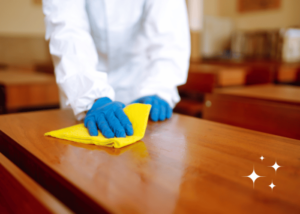
Hospitals treat many people with various illnesses, which means germs can spread easily. Regular cleaning and disinfecting of surfaces like bed rails, doorknobs, and medical equipment are essential. This helps to kill germs and prevent infections from spreading to other patients and staff.
2. Protecting Vulnerable Patients
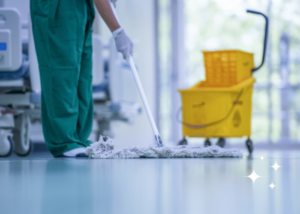
Many hospital patients have weakened immune systems, making them more susceptible to infections. Cleaning helps create a safer environment for these vulnerable individuals. This includes thorough cleaning of patient rooms, surgical areas, and intensive care units where the risk of infection is higher.
3. Reducing Healthcare-Associated Infections (HAIs)
Healthcare-associated infections (HAIs) are infections that patients can get while receiving medical treatment. HAIs can lead to serious health complications. Effective cleaning protocols are a key defense against HAIs. This involves not just cleaning but also proper sterilization of medical tools and equipment.
4. Ensuring Proper Hand Hygiene
Hand hygiene is a simple yet powerful way to control infections. Hospital cleaning routines should include making sure that soap dispensers, hand sanitizers, and paper towels are always available and functioning. Encouraging both staff and visitors to wash their hands regularly helps reduce the spread of germs.
5. Using the Right Cleaning Products
Using effective cleaning and disinfecting products is essential. These products should be strong enough to kill bacteria and viruses but safe for use in healthcare settings. It’s also important to follow the instructions on these products to ensure they are used correctly.
6. Training Cleaning Staff
Hospital cleaning staff need special training to handle the unique challenges of healthcare environments. This includes understanding which areas require more frequent cleaning and how to properly disinfect different types of surfaces. Well-trained staff are crucial for maintaining high standards of cleanliness.
7. Focusing on High-Touch Areas
Some areas in hospitals are touched more frequently than others, such as elevator buttons, handrails, and light switches. These high-touch areas should be cleaned and disinfected multiple times a day to reduce the risk of germ transmission.
8. Proper Waste Management
Hospitals generate a lot of waste, including hazardous materials like used needles and biological waste. Proper disposal and management of waste are critical to prevent contamination and the spread of infections. This involves using the right containers and ensuring waste is removed promptly and safely.
9. Monitoring and Improving Cleaning Practices
Hospitals should regularly monitor their cleaning practices to ensure they are effective. This can include regular inspections and feedback from staff and patients. Continuous improvement of cleaning protocols helps adapt to new challenges and maintain high standards.
10. Creating a Culture of Cleanliness
Infection control is everyone’s responsibility in a hospital. By promoting a culture of cleanliness, where all staff members understand and commit to hygiene practices, hospitals can significantly reduce the risk of infections. This includes regular training and reminders about the importance of cleaning and hygiene.
In conclusion, hospital cleaning plays a critical role in infection control. By maintaining high standards of cleanliness, hospitals can protect their patients, staff, and visitors from harmful infections. Effective cleaning practices are essential for creating a safe and healthy environment where patients can recover and heal.